Google’s latest AI model, Gemini 3, is rapidly capturing attention across the tech world due to its advanced reasoning, creativity, and execution capabilities. Early users report that the model behaves less like a traditional chatbot and more like a collaborative problem-solver, as it understands context, follows complex instructions, and produces polished results across multiple domains.
Gemini 3 simplifies complex cybersecurity concepts like DDoS
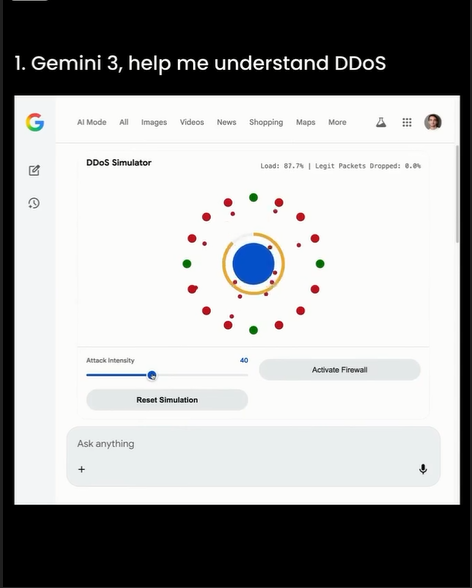
Gemini 3 demonstrates one of its most practical strengths in education. Users highlight how the model explains Distributed Denial-of-Service (DDoS) attacks through clear analogies and then connects those explanations to technical concepts such as botnets, traffic flooding, CDNs, and rate limiting. This method makes traditionally complex cybersecurity topics far more accessible.
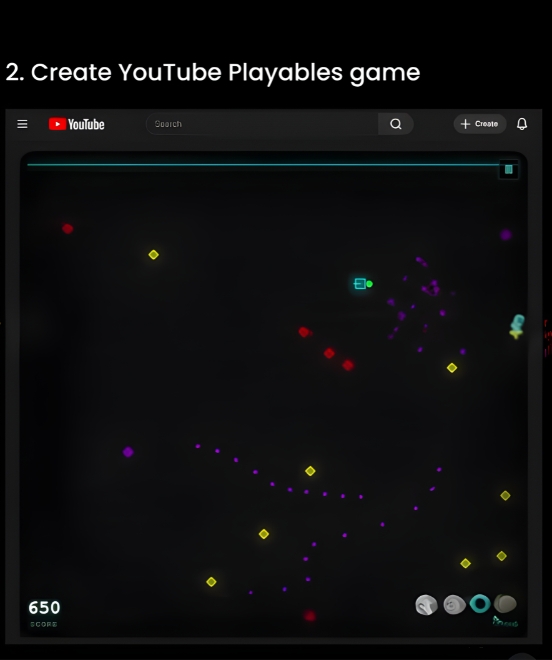
AI-assisted game creation reaches YouTube Playables
Developers also use Gemini 3 to prototype lightweight games for YouTube Playables. The model generates gameplay ideas, writes optimized logic, and helps creators move from concept to playable experience faster than before, significantly lowering the barrier to entry for casual game development.
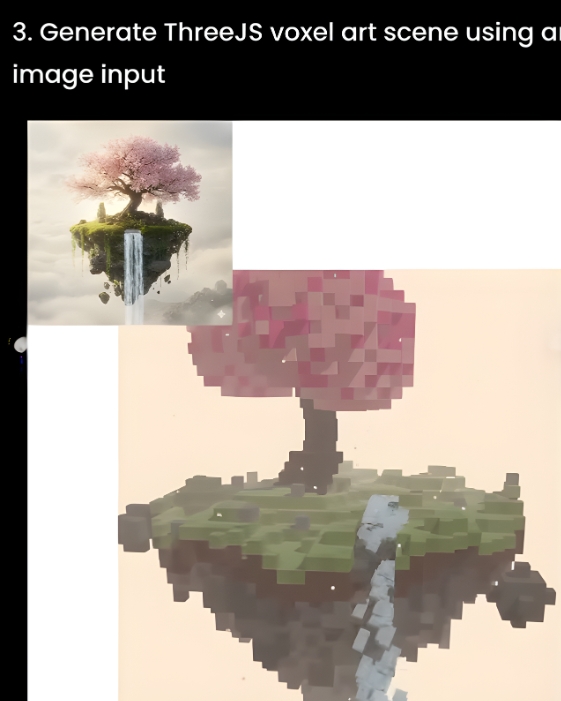
Turning images into voxel-based JavaScript worlds
Visual creativity represents another emerging use case for Gemini 3. Developers use the model to convert image inputs into voxel-style 3D scenes built with JavaScript. The AI extracts color palettes, structures block-based geometry, and generates multiple scene variations suitable for demos and experimental projects.
Classic games reimagined: Pac-Man in 3D on a tiny planet
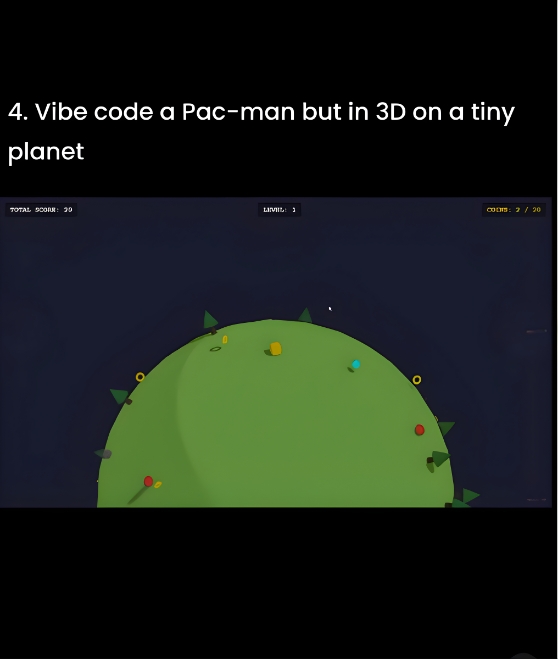
Gemini 3 enables creative reinterpretations of classic games, including a version of Pac-Man reimagined on a spherical 3D planet. The concept emphasizes smooth movement across curved surfaces, modern physics, and intelligent enemy behavior, merging nostalgic gameplay with contemporary design.
Playable 3D mazes built with AI support
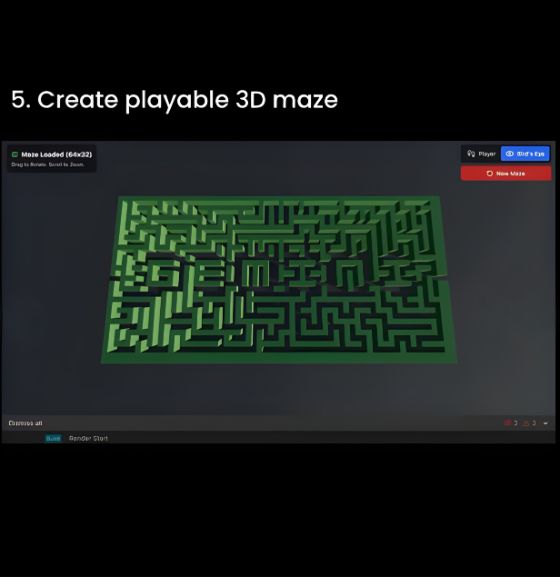
Developers also apply AI-assisted workflows to interactive environments such as 3D mazes. Gemini 3 helps structure player movement, camera systems, and collision logic, making immersive maze experiences easier to prototype and refine.
One-shot voxel worlds gain popularity
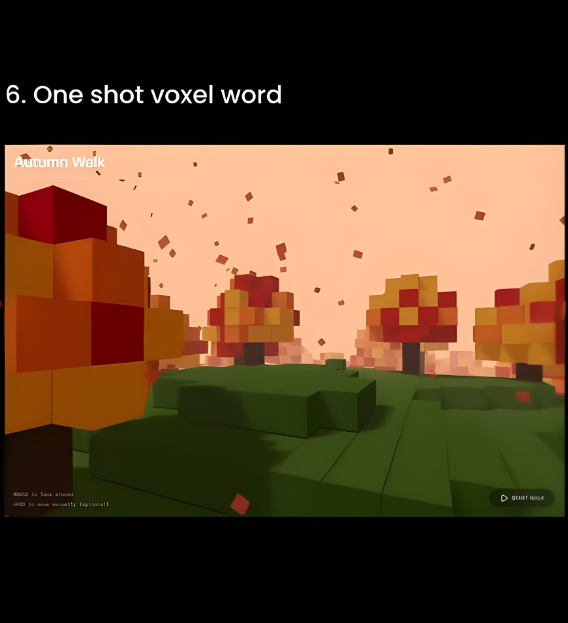
A growing trend focuses on generating complete voxel worlds in a single prompt. Gemini 3 enables creators to produce fully formed environments including terrain, lighting, and atmosphere—in one pass, accelerating artistic exploration and rapid world-building.
Landing pages with clearer, more human copy
Beyond games and visuals, Gemini 3 influences digital marketing. Creators report stronger landing pages with logical, readable, and value-driven copy. Instead of relying on vague slogans, the AI structures messaging that clearly explains offerings and guides users toward action.

Simple, self-playing games highlight minimal design
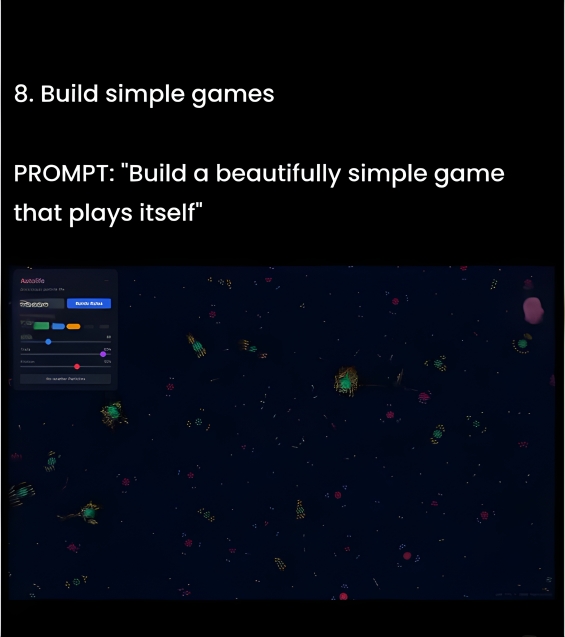
Another creative experiment gaining traction focuses on “self-playing” games built around minimal mechanics. Guided by prompts such as “build a beautifully simple game that plays itself,” Gemini 3 supports the creation of calming, autonomous game experiences that emphasize elegance over complexity.
Visualizing energy and chaos in 3D
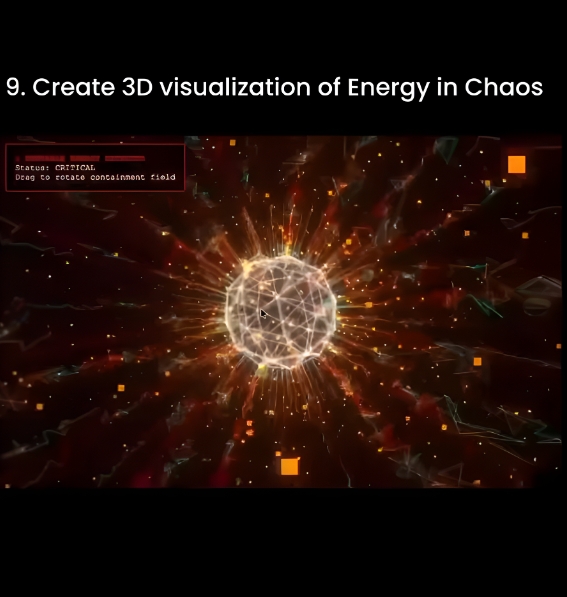
Creators also use Gemini 3 to generate abstract 3D visualizations that represent energy, chaos, and motion. Through particle systems and dynamic lighting, these visuals support applications in demos, concept art, and scientific storytelling.
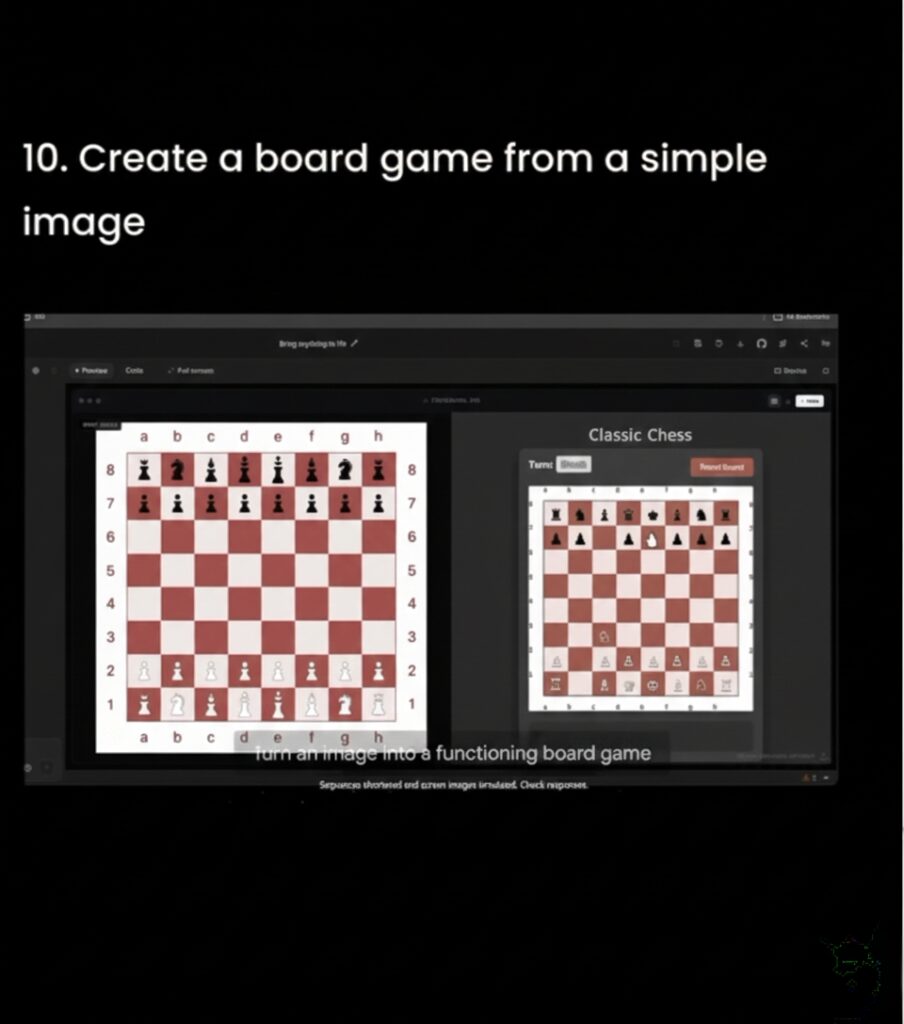
From static images to playable board games
In game design, Gemini 3 helps transform simple images into functional board games. By interpreting visual layouts into rules, paths, and interactions, the model supports rapid prototyping and experimentation in tabletop-style game design.
Outlook:
As Gemini 3 continues to roll out, its real-world impact is becoming clearer. From education and cybersecurity to game development, design, and visualization, the model is expanding how creators and developers think about AI as a practical, creative partner rather than just a tool.